Joint pain changes how you move. You may avoid stairs, shorten your stride, skip workouts, or reach for the railing because a knee, hip, shoulder, wrist, or ankle keeps arguing with you. At Recovery Lab of La Verne, CA, we work with Glendora clients who want practical recovery support without having to guess which service best fits their pain.
So, are cupping services the right choice for joint pain? They may be, especially when tight muscles, poor circulation, swelling, or soft-tissue restrictions around the joint contribute to discomfort. Cupping is not a cure for every joint condition, and it should not replace medical care. Still, for many people, it may support better movement and short-term relief as part of a smart wellness routine.
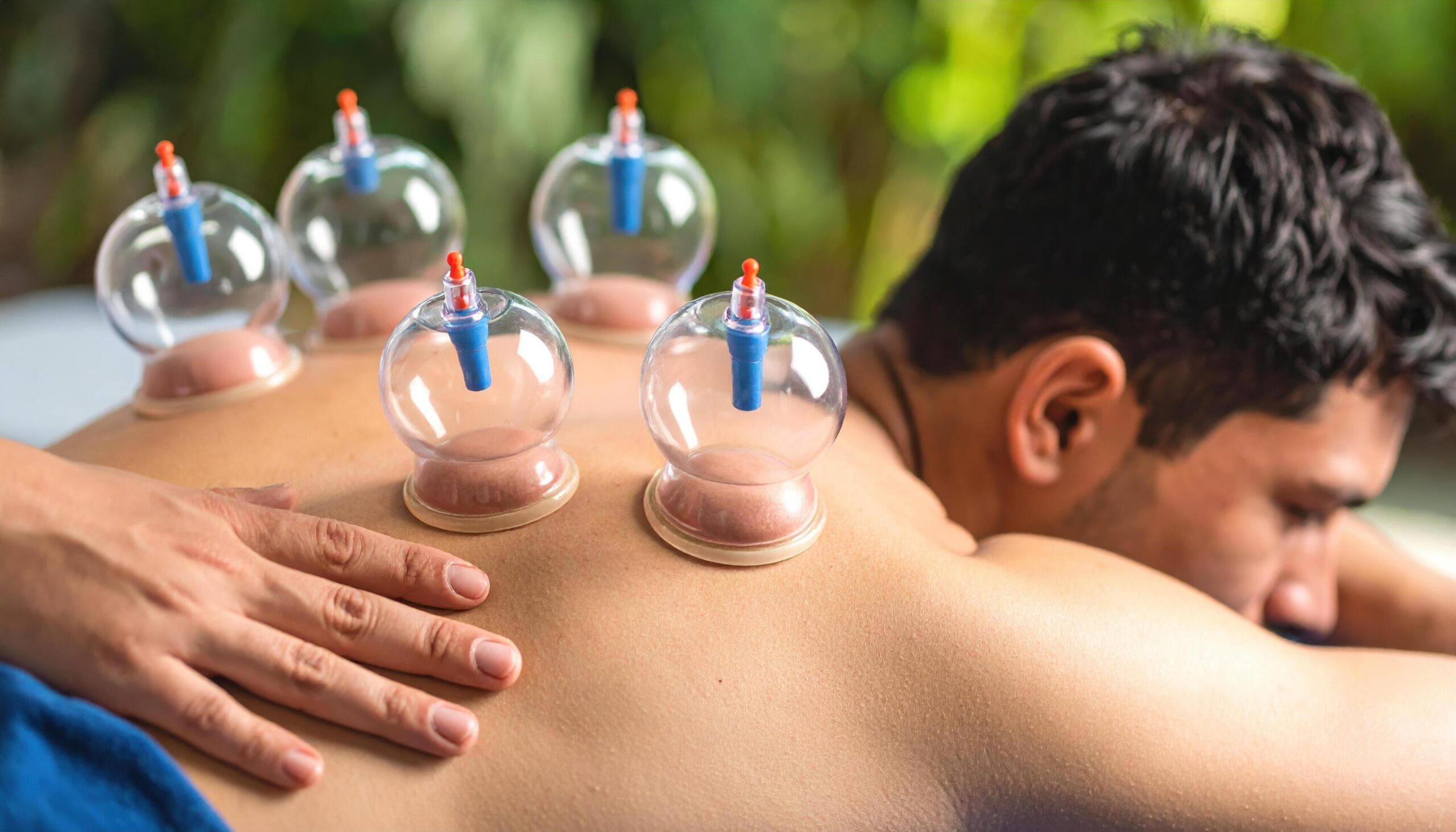
Cupping uses suction to lift the skin and underlying tissue gently. This suction encourages blood flow to the treated area and may help relax tight muscles near sore joints. When the muscles around a joint remain tense, they often limit movement and increase strain on the joint. By easing some of this tension, cupping may help the joint move more freely.
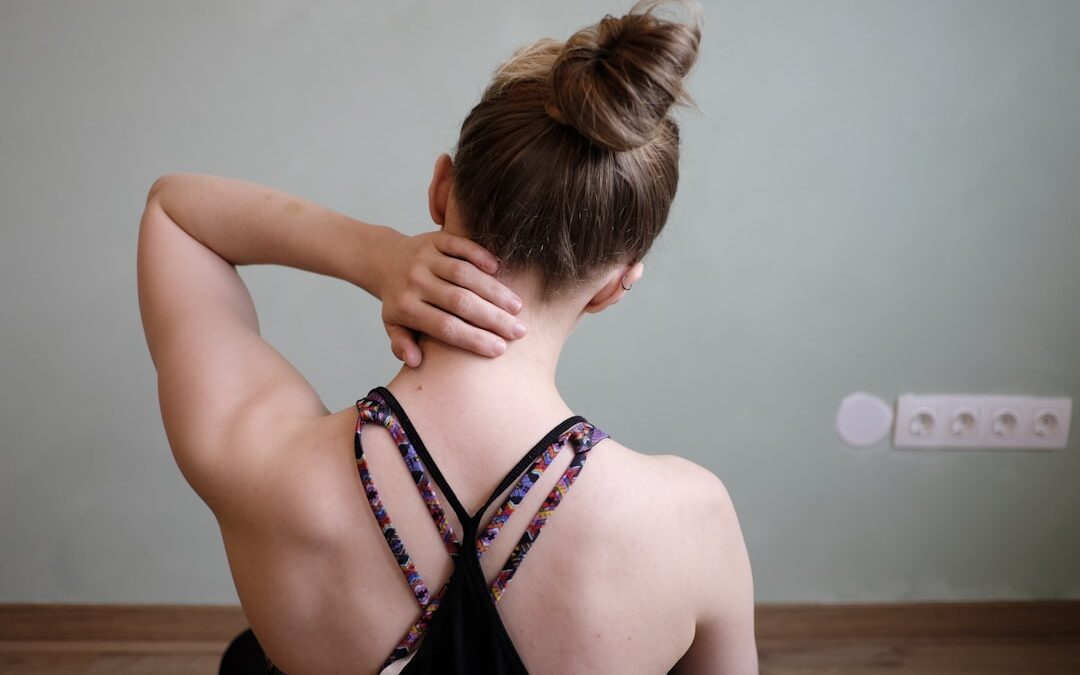
Joint pain can come from many sources. Repetitive work, athletic training, aging, old injuries, posture habits, inflammation, and everyday overuse may all play a role. A shoulder issue from lifting weights will not always need the same approach as knee stiffness from long walks or wrist pain from repetitive work. This is why we start with a conversation instead of assuming cupping is always the answer.
During a cupping session, you may feel pulling, pressure, warmth, or a deep stretch-like sensation. The pressure should feel firm but manageable. Our team checks your comfort level and adjusts the session as needed. Afterward, circular marks may appear on the skin. These marks are common and usually fade over several days, though some tenderness may linger briefly.
Cupping may be appropriate when joint discomfort is associated with muscle tightness, restricted movement, or localized soreness. It may also pair well with recovery after training, weekend activity, or repetitive movement. Many clients use cupping to get support between workouts, after long work shifts, or during seasons when old aches seem to flare up. We help clients think through timing, frequency, and expectations so that the service supports their routine rather than becoming another random appointment on the calendar.
However, sudden joint pain, severe swelling, redness, warmth, fever, numbness, weakness, or pain after a fall or accident should be checked by a health care provider first. Wellness services work best when safety comes first.
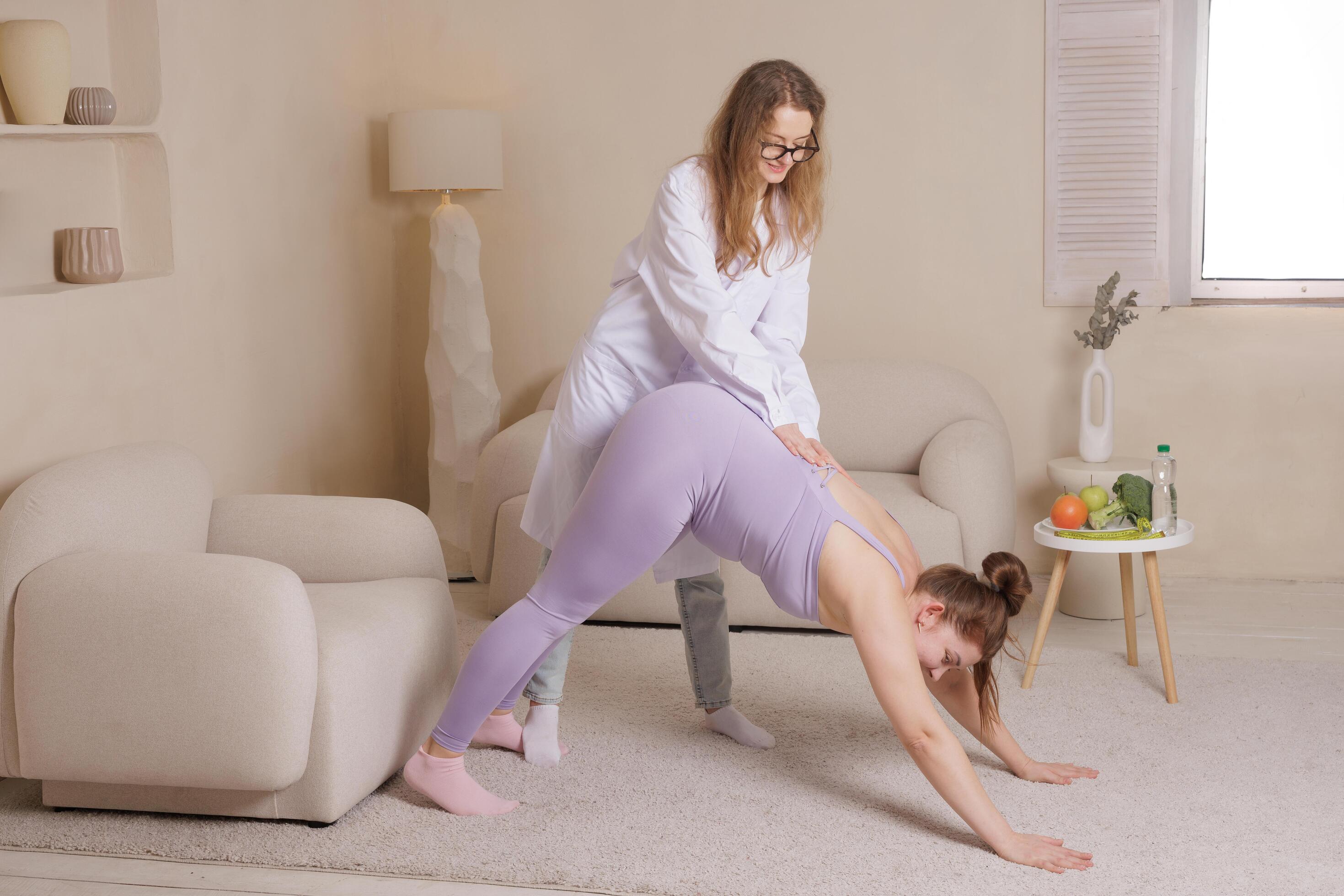
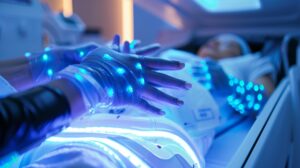
We also look at how cupping fits with other services. Mobility stretching may help improve the range of motion. Percussion therapy may target stiffness around the joint. Red light therapy may support inflammation control and tissue recovery. Cryotherapy may help calm broader soreness after intense activity.
The right choice depends on your body, your goals, and your pain pattern. If joint pain keeps limiting your workouts, workdays, hobbies, or everyday movement, contact Recovery Lab in La Verne, CA. We will help you explore whether cupping services make sense for your recovery plan.