Infrared sauna therapy attracts attention for a simple reason: heat feels good when your body and mind need a reset. For active adults in Glendora, a sauna session may seem appealing after a long workday, demanding workout, or stressful week. At Recovery Lab of La Verne, CA, we help clients compare wellness options and understand what each approach may realistically offer.
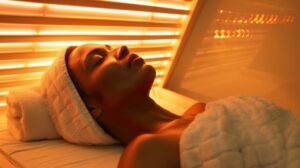
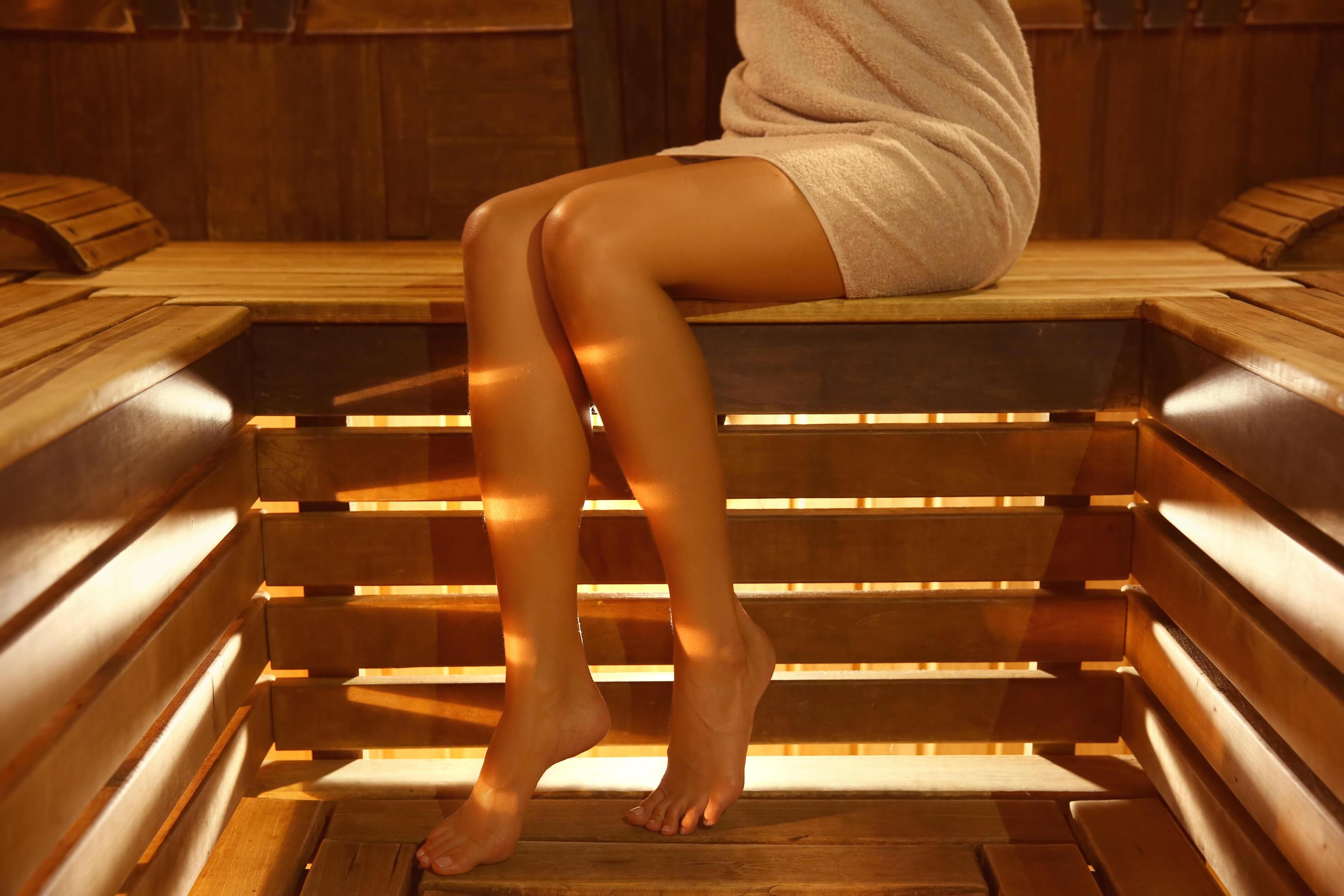
Unlike a traditional sauna, which heats the air around you, an infrared sauna uses infrared light to warm the body more directly. This allows the space to operate at a lower temperature while still producing a strong sweating response. Many people find the lower heat easier to tolerate, especially when they want warmth without the intensity of a hotter traditional sauna.
One of the biggest reasons people seek infrared sauna therapy is stress relief. Sitting quietly in a warm environment creates a built-in opportunity to slow down, step away from screens, and let tense muscles relax. Heat also increases blood flow, which may help sore muscles feel looser after exercise or repetitive activity. For people carrying tension in the shoulders, back, hips, or legs, this combination of warmth and quiet may make a session feel restorative.
The word “detox” also comes up frequently with sauna use. Here, expectations matter. Infrared saunas induce deep sweating, and the sweat they produce contains trace amounts of certain substances. However, sweating is not the body’s primary detoxification system. Your liver and kidneys handle most toxin removal. Research on the use of infrared saunas to remove meaningful amounts of toxins remains limited.
A better way to think about the “deep detox” experience is as a deep sweat combined with hydration, relaxation, and a break from everyday stress. You may leave feeling refreshed, but the session should support healthy habits rather than replace them. Drinking water before and after heat exposure is especially important because sweating increases fluid loss.
Safety deserves attention too. Infrared sauna use is not appropriate for everyone. People who are pregnant, heat-sensitive, dehydrated, ill, or managing certain cardiovascular or blood pressure concerns should speak with a health care provider before beginning. If dizziness, nausea, weakness, or discomfort develops during a session, it is time to stop and cool down.
Infrared sauna therapy differs from red light therapy, even though both use light. Red light therapy uses red and near-infrared wavelengths, produces little heat, and focuses more on cellular activity and localized recovery. Infrared sauna therapy relies heavily on heat and whole-body sweating. Recovery Lab has previously compared these approaches because the best choice depends on your goals, comfort with heat, available time, and health history.
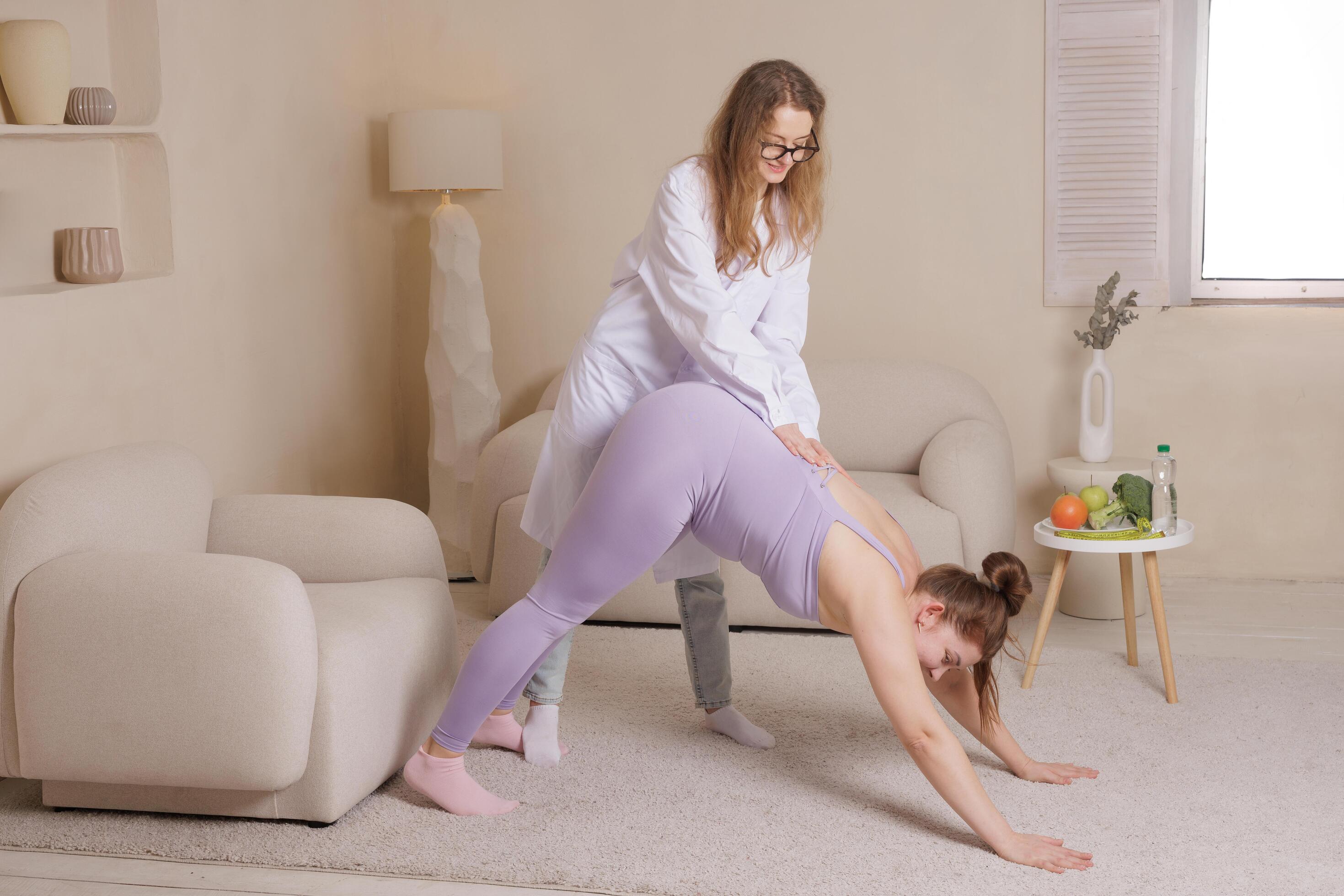
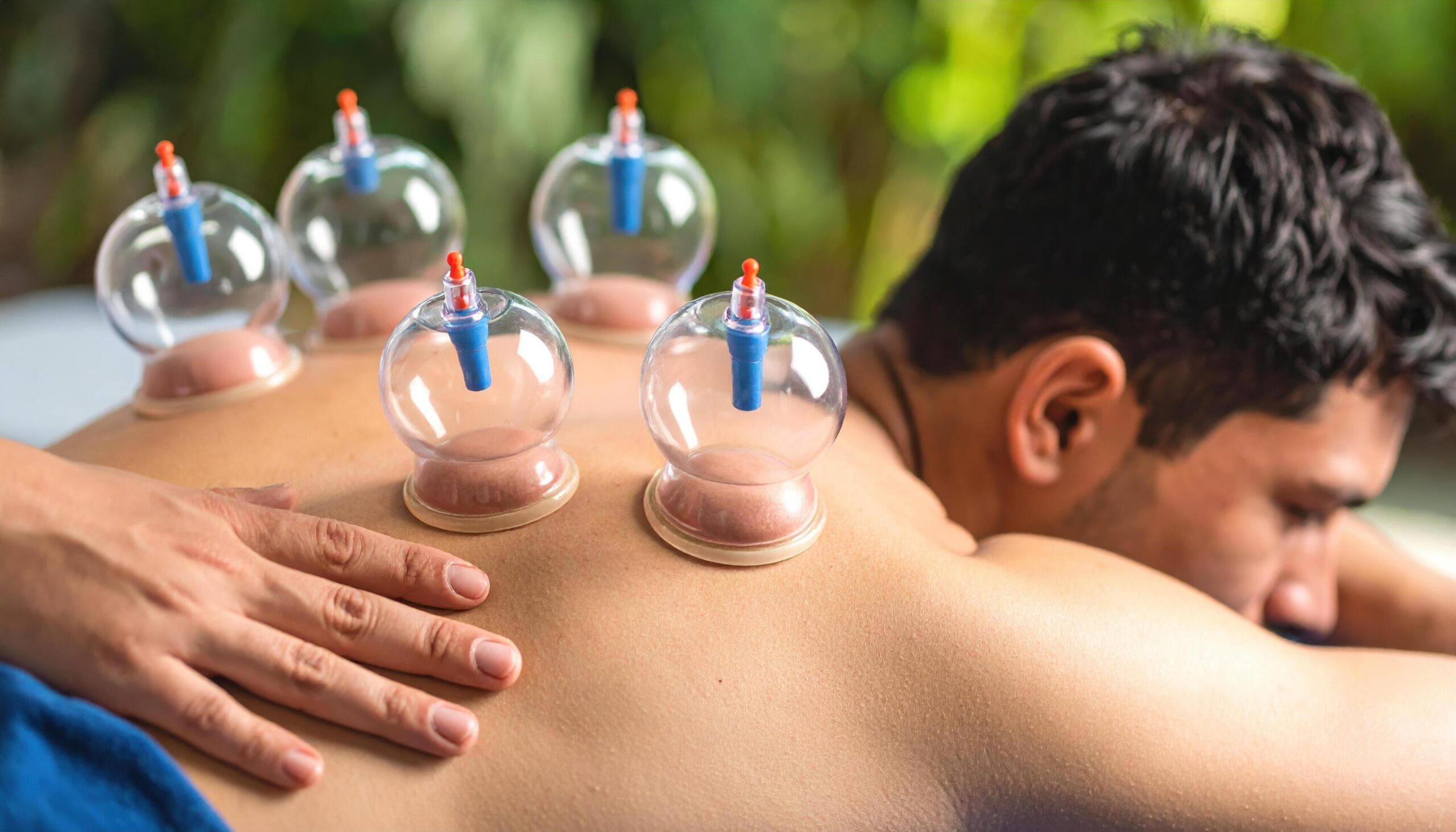
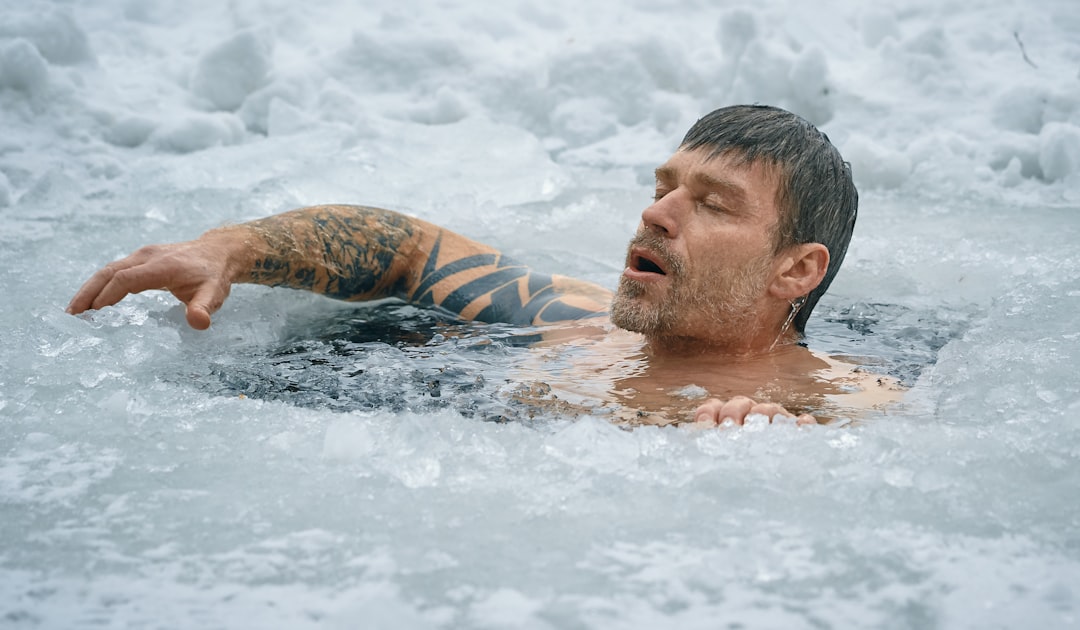
Our current La Verne service menu highlights recovery options including red light therapy, cryotherapy, mobility stretching, hyperbaric therapy, cupping, percussion therapy, and NormaTec compression. If stress relief, muscle recovery, or general wellness is your goal, we will help you explore which available services make the most sense for your routine.
Contact Recovery Lab of La Verne, CA, to discuss your goals before your next visit. We proudly help clients from Glendora and surrounding communities find practical recovery support without exaggerated promises or one-size-fits-all plans.