Knee pain and stiffness can change the way you move without much warning. You may shorten your stride, avoid stairs, skip a workout, or hesitate before getting up from a chair. For active adults in Glendora, mobility stretching may offer a practical way to improve movement when tight muscles around the hips and legs are contributing to discomfort.
At Recovery Lab of La Verne, CA, our mobility stretching sessions are guided by trained Recovery Specialists. We begin with a conversation about your goals, activity level, and any areas needing extra attention. From there, we help you move through stretches designed to reach muscles and connective tissue more effectively than many people can manage on their own.
Why does this matter for knee pain? The knee does not work alone. Tight hamstrings, quads, calves, hips, and glutes may influence how your legs move and how much strain reaches the knee. Recovery Lab’s runner’s knee guidance specifically notes stretching and mobility work for the glutes, hips, and quads as part of active recovery. The goal is not to force the knee through pain. Instead, guided mobility work may help improve range of motion and reduce stiffness in surrounding areas.
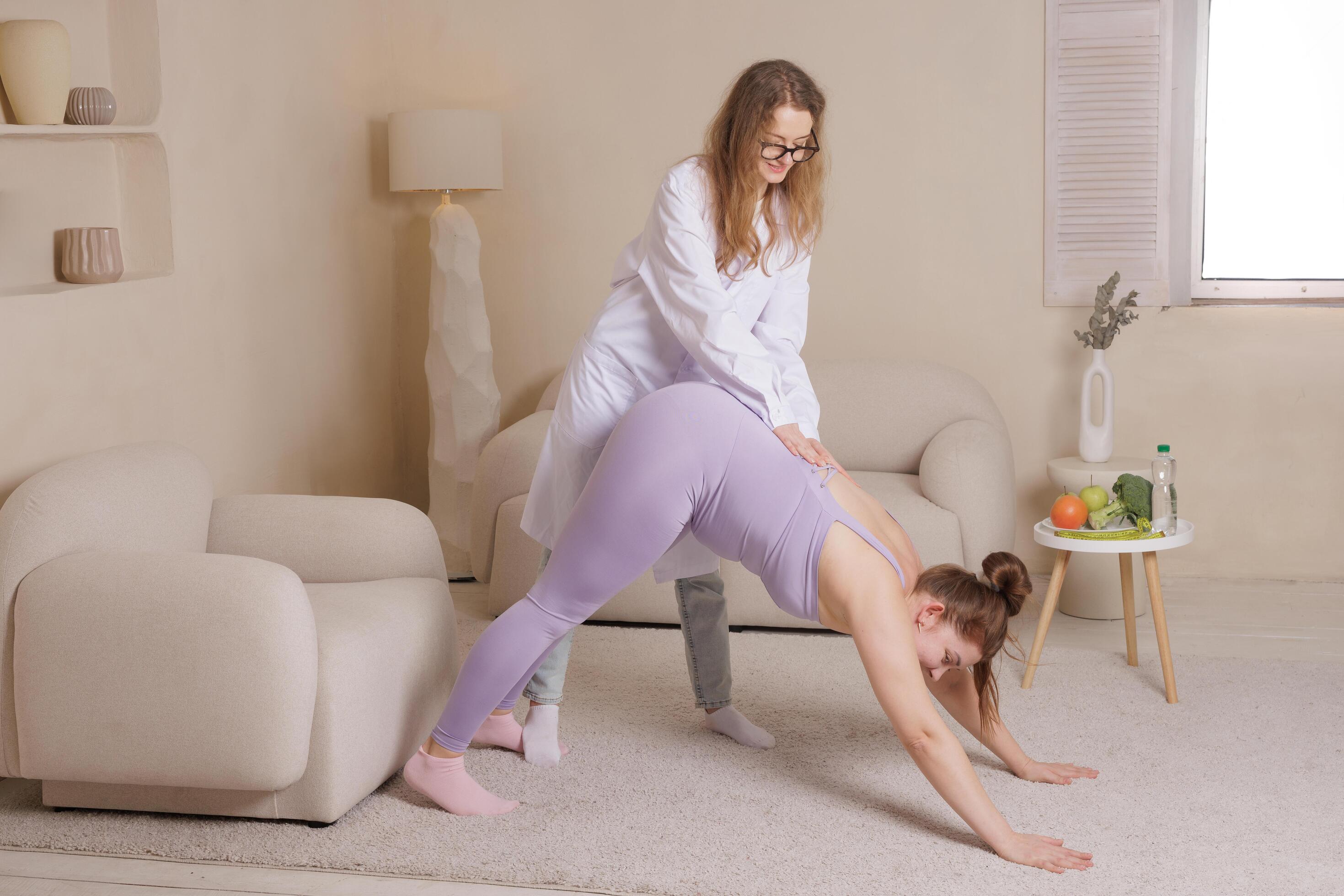
Mobility stretching differs from simply holding a few familiar stretches after a workout. Our approach is designed to reach deeper into the muscles and fascia, the connective tissue surrounding muscle. A Recovery Specialist helps position your body and guide each stretch while adjusting the session around your comfort level. Loose clothing also makes movement easier during the appointment.
Many clients seek mobility support because stiffness keeps returning even when they stretch at home. Others want help after training, long periods of sitting, repetitive activity, or a temporary knee flare-up. Consistency matters. One session may help you feel looser, but lasting improvements in mobility usually require repeated work and healthy movement habits between appointments.
Stretching also should not become a test of pain tolerance. You should feel controlled tension, not sharp pain. If a movement increases knee pain, it should be modified or stopped. Recovery Lab’s runner’s knee guidance encourages clients to avoid pushing through pain and to use warmups before mobility, stretching, or strengthening exercises.
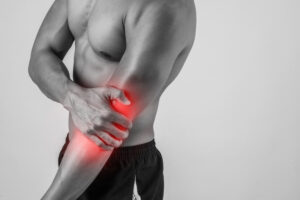
Knee pain also has many possible causes. Runner’s knee may develop from repetitive bending, cycling, jumping, weak supporting muscles, footwear problems, previous surgery, or workout form. Arthritis, acute injuries, and other conditions may create similar symptoms. New severe pain, major swelling, locking, instability, redness, fever, or pain following a serious injury deserves medical evaluation before wellness services begin.
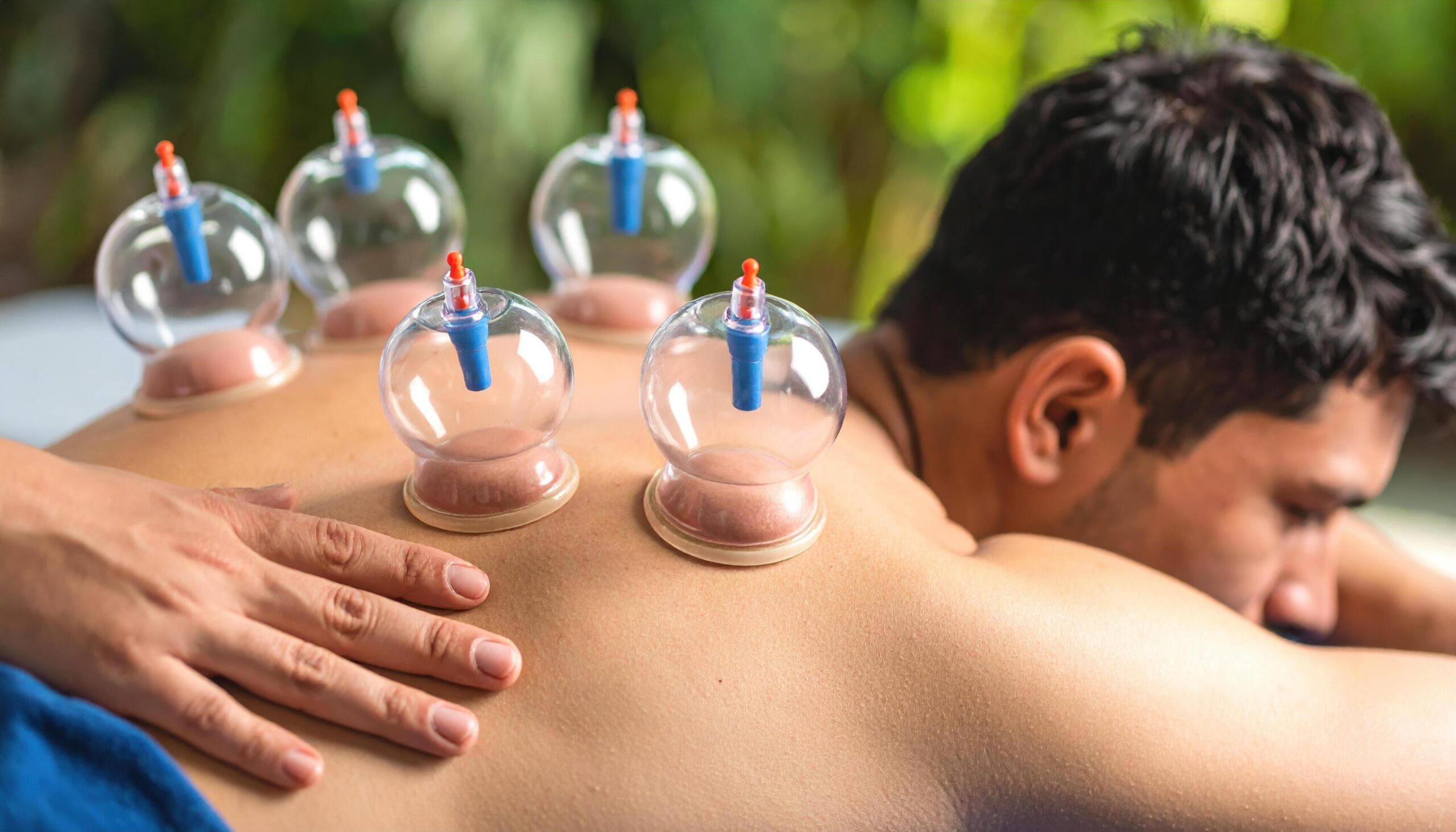
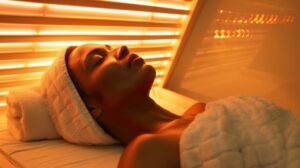
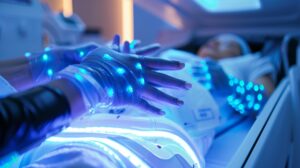
Mobility stretching may also fit alongside other recovery options. Recovery Lab of La Verne, CA offers cryotherapy, NormaTec compression, hyperbaric therapy, cupping, percussion therapy, and red light therapy. Depending on your needs, one or more services may complement a mobility plan.
Better movement is rarely about forcing flexibility. It is about helping the body move with less restriction while respecting what your knee is telling you. If stiffness or knee discomfort keeps interfering with workouts or daily activities, contact Recovery Lab of La Verne, CA. We serve clients from Glendora and surrounding communities and will help you explore whether guided mobility stretching fits your recovery routine.