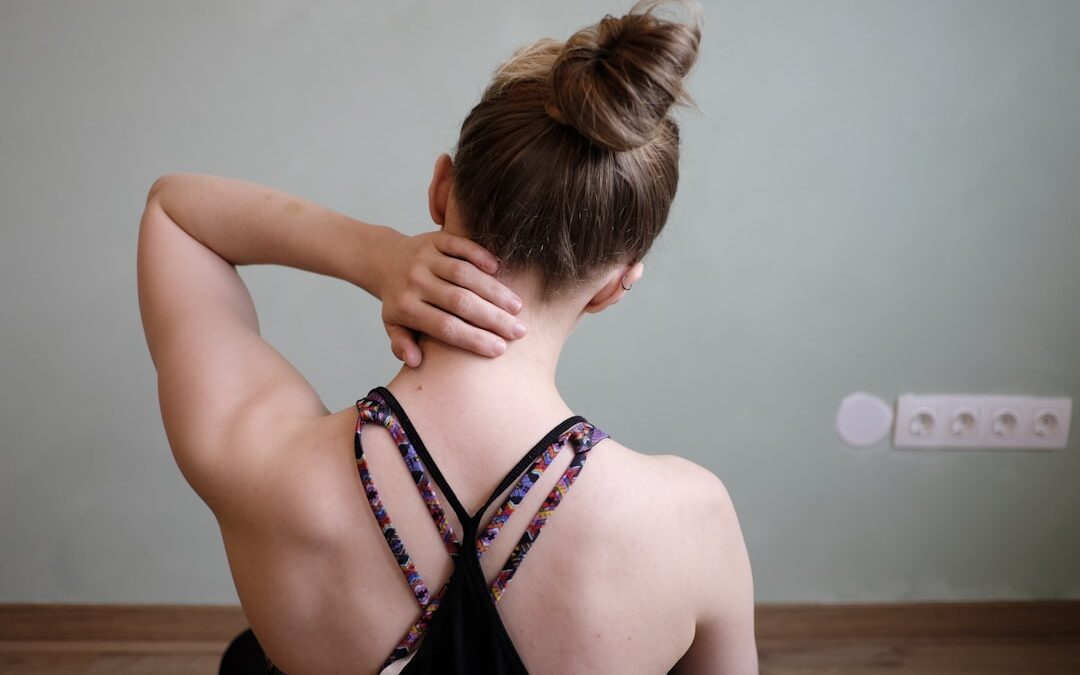
Neck pain has a sneaky way of becoming part of your normal routine. You wake up stiff, stretch for a few seconds, move on with your day, then feel the same tight pull again by lunch. For many Glendora clients who visit Recovery Lab of La Verne, CA, stubborn neck pain comes from daily patterns more than one dramatic injury.
Desk posture, long drives, phone use, stress, poor sleep position, workouts, and shoulder tension may all contribute. Over time, the muscles around the neck and upper back stay guarded. Once your body gets used to holding tension, regular stretching may not feel like enough.
That is where cupping may help.
How Cupping Supports Neck Pain Relief
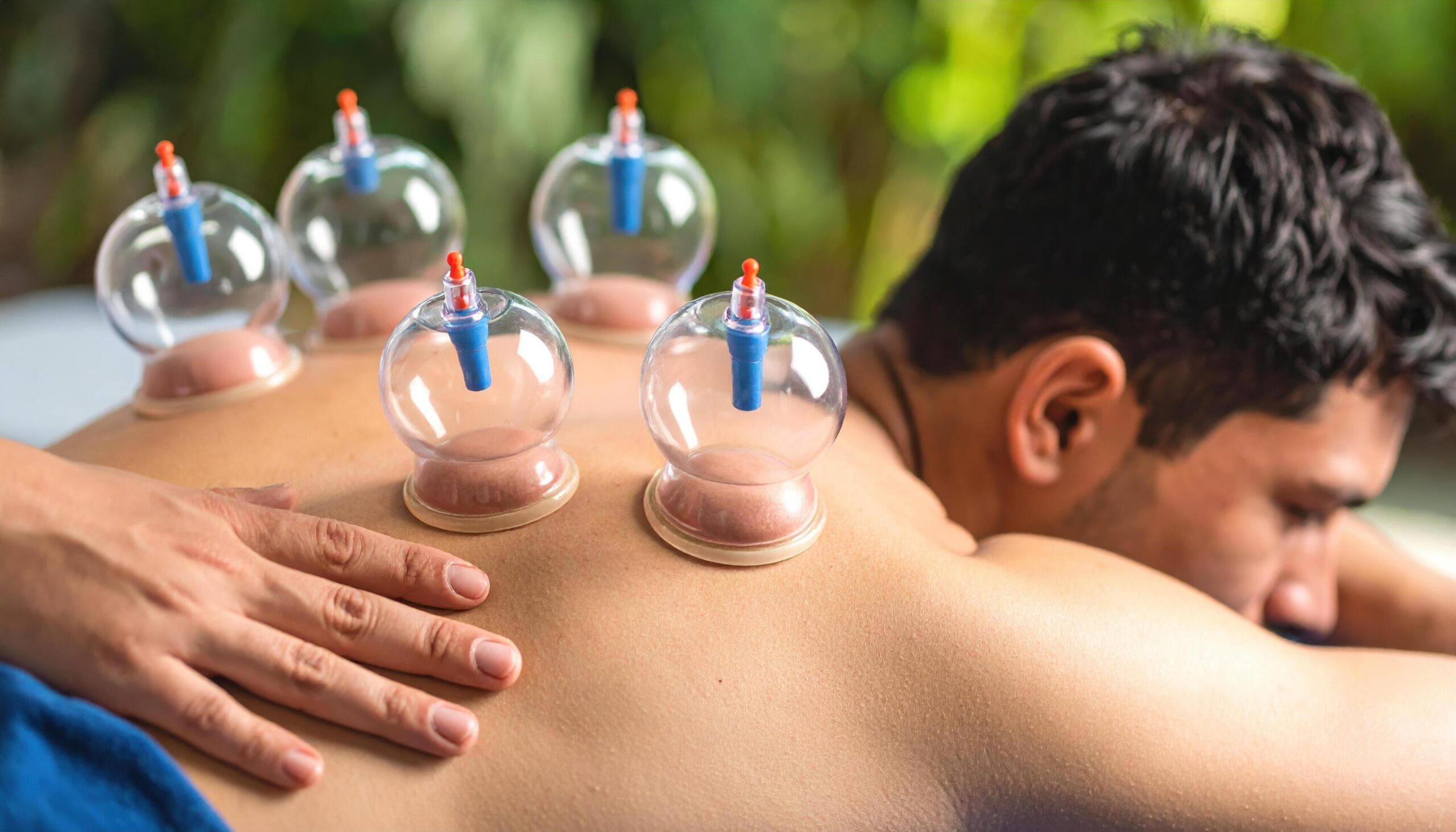
Cupping uses suction to lift the skin and underlying tissue gently. This pulling sensation helps bring blood flow to the area and may encourage tight muscles to relax. For neck pain, we often look beyond the neck itself. The upper traps, shoulders, mid-back, and shoulder blades often play a role in how the neck feels.
When those areas hold tension, your neck works harder. Cupping may help reduce tightness in those surrounding muscles, creating more room for comfortable movement. Clients often describe the feeling as a deep release, almost like a stretch from the inside out.
Cupping is not meant to replace medical care, and it will not correct every cause of neck pain. However, for muscle-related stiffness, stress tension, workout soreness, or recurring upper-body tightness, it may offer useful recovery support.
What a Cupping Session Feels Like
A cupping session should feel firm, controlled, and manageable. You may feel pulling, pressure, warmth, or mild aching while the cups stay in place. It should not feel sharp or unbearable. Our team checks in with you and adjusts the suction when needed.
Afterward, you may notice round marks on the skin. These marks are common and usually fade over several days. Some tenderness may also occur, similar to how muscles feel after deep bodywork. We recommend drinking water after your session and giving your body time to respond.
When Neck Pain Needs More Attention
A health care provider should check for neck pain before trying recovery services. Seek medical guidance if you have numbness, weakness, tingling down the arm, severe pain after an accident, dizziness, fever, sudden intense pain, or symptoms getting worse instead of better.
For everyday stiffness, posture-related tension, or tightness from activity, cupping may fit into a practical recovery routine.
Pairing Cupping With Other Recovery Services
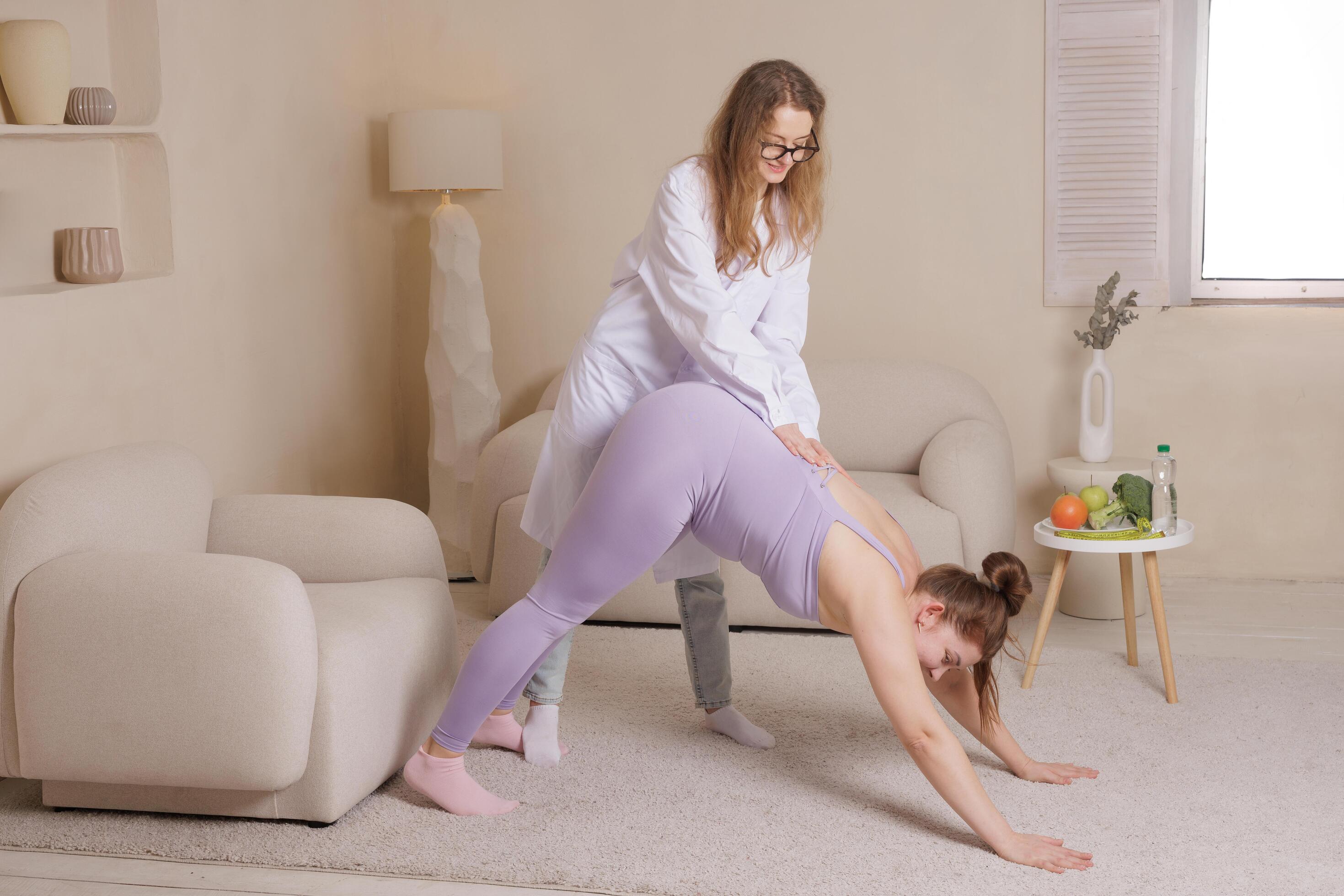
Cupping often works well with other services at Recovery Lab of La Verne, CA. Mobility stretching may help improve the range of motion. Percussion therapy may target deeper muscle tightness. Red light therapy may help control inflammation. Cryotherapy may help when soreness spreads from the shoulders to the upper back.
The goal is simple: help your body move with less restriction. If stubborn neck pain keeps interrupting your workouts, sleep, workday, or daily comfort, contact Recovery Lab of La Verne, CA. We will help you explore whether cupping services make sense for your recovery plan.