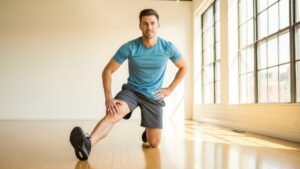
You finish a hard workout on Monday evening and feel completely fine afterward. Tuesday morning tells a different story, since the stairs and the chairs suddenly ask more of your legs. That delayed soreness has a name, and trainers call it delayed onset muscle soreness. Recovery Lab of Rancho Cucamonga, located in Rancho Cucamonga and serving Fontana residents, built this article around the 48-hour window where that soreness lives. Cupping has a clear place inside that window, and good timing carries most of the benefit.
Why a Hard Workout Leaves You Sore
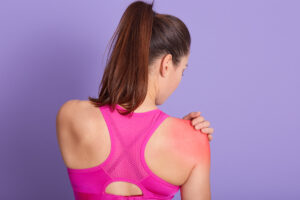
Demanding training creates microscopic damage inside your muscle fibers, which is a normal part of getting stronger. Your body answers that damage with inflammation and extra fluid as the repair process begins. The swelling and tightness from that response are a large part of what you feel as soreness. The repair work itself is healthy and necessary, so the goal is to support it rather than stop it. Cupping works on the conditions around that repair, which is where it earns its place.
How Cupping Eases a Tired Muscle
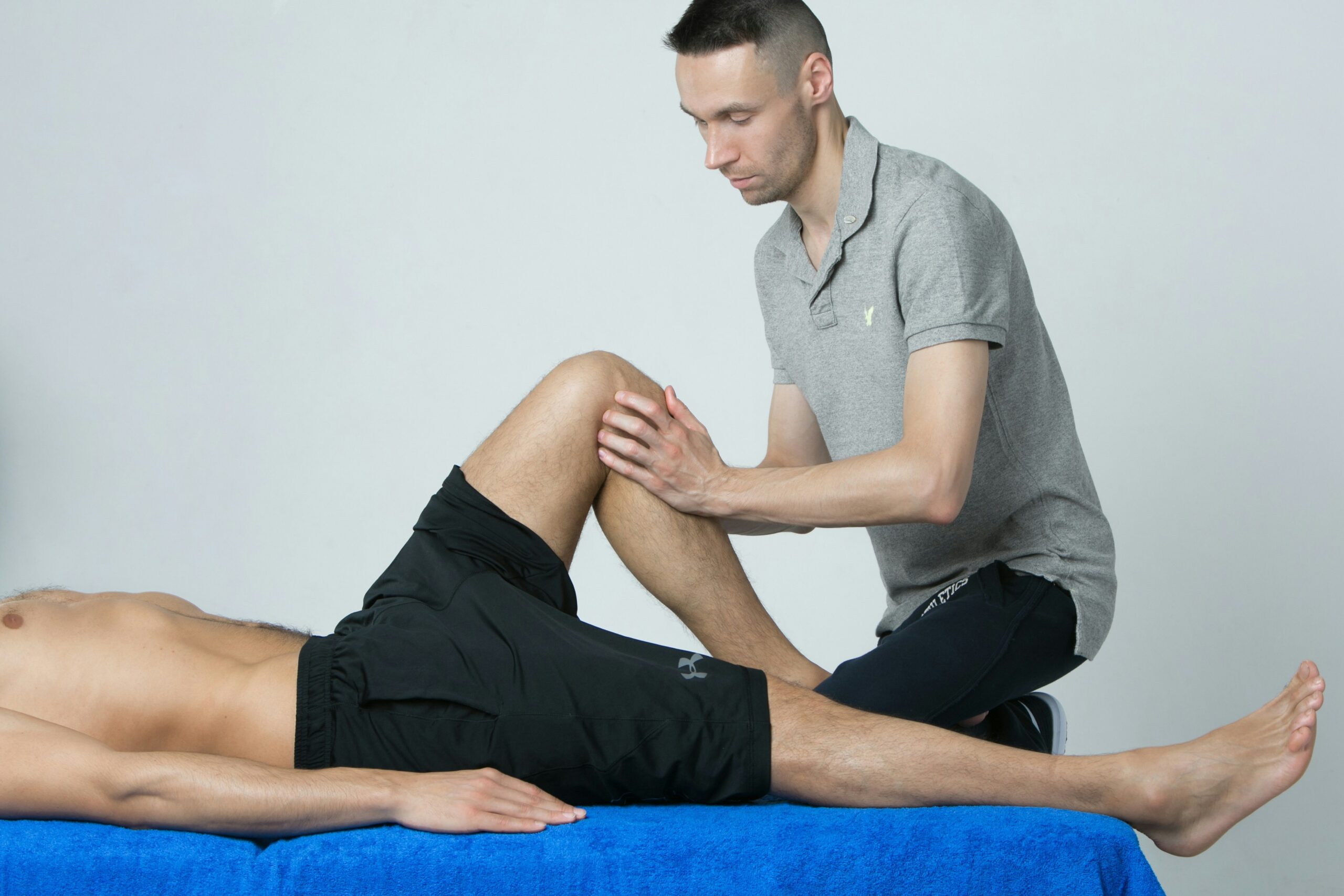
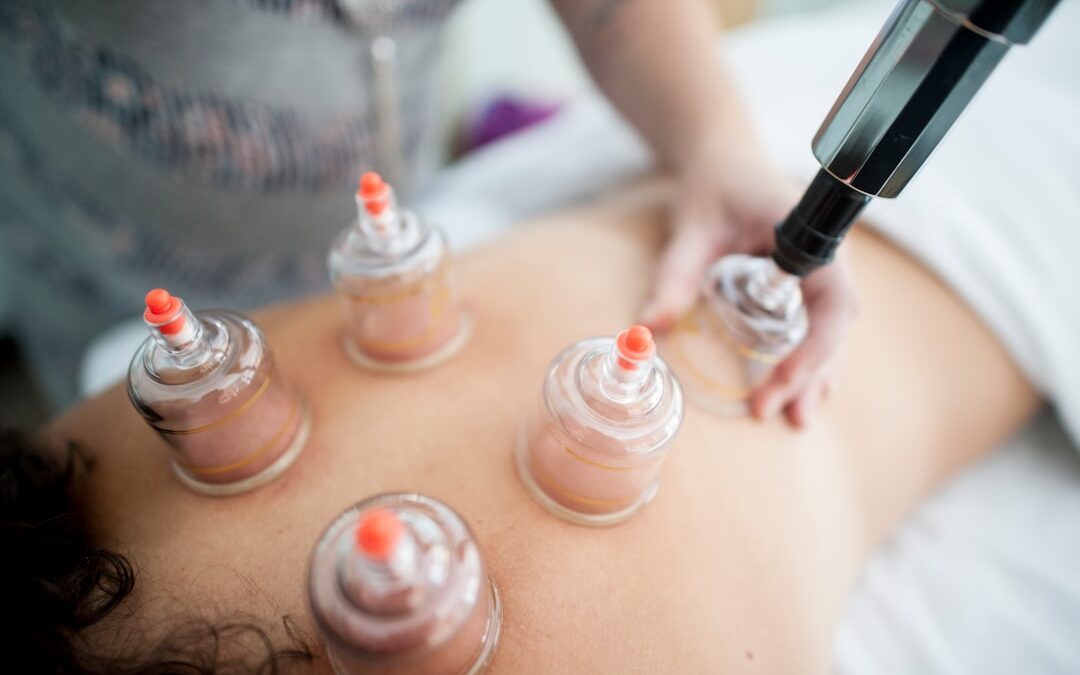
Cupping applies steady, gentle suction across your skin and the muscle sitting beneath it. That suction lifts the tissue slightly and draws a fresh supply of blood into the treated area. Stronger local circulation helps your body deliver repair material and move inflammatory fluid along more efficiently. The muscle tends to feel looser and noticeably less guarded once a session ends. That lighter, freer feeling is the reason so many athletes keep cupping in their routine.
The Two Cupping Methods We Offer
Our Recovery Specialists are trained in two distinct cupping approaches. Traditional cupping settles the cups onto one targeted spot and holds them there for roughly ten minutes. Myofascial Decompression keeps the cups gliding across the muscle, which spreads the release over a wider area. Your Recovery Specialist will choose the method that matches your sport, your soreness pattern, and your training schedule. Picking the right approach for the day is part of what a trained professional brings to the session.
Fitting Cupping Into Your Training Week
The strongest window for a cupping session falls within twenty-four hours of an intense workout. A session booked in that window meets your muscles while the repair process is at its busiest. You will often feel a looser, easier range of motion soon after a first visit. We generally suggest spacing sessions roughly a month apart for people who train consistently. A Recovery Specialist may suggest a different rhythm if your training load is unusually heavy.
What Happens in the Days After
Traditional cupping leaves light, round marks on the skin where each cup was placed. Those marks are harmless, and they usually fade within a few days to a couple of weeks. You should drink extra water afterward, since good hydration supports everything your circulation is doing. You can return to easy movement right away, though hard training on those same muscles can wait a day. A short rest before the next heavy session lets the cupping do its full work.
Plan Your Recovery With Recovery Lab of Rancho Cucamonga
Your next demanding workout already sits on the calendar, so place your recovery right beside it. Call Recovery Lab of Rancho Cucamonga at (909) 685-5896 to set up a cupping session within that 24-hour window. We will match the right method to your training and send you into your next workout feeling ready.