
Strained muscles are a common concern, even among the non-athletic population. Anyone of any age can deal with them, whether it be from overexertion, over-training, an imbalance in the muscles, poor lifting technique, or dehydration.
While some strains are avoidable with the right care and precaution, others are inevitable. At Recovery Lab, we offer a variety of recovery services to help you manage current muscle strains and reduce your recurrence rate.
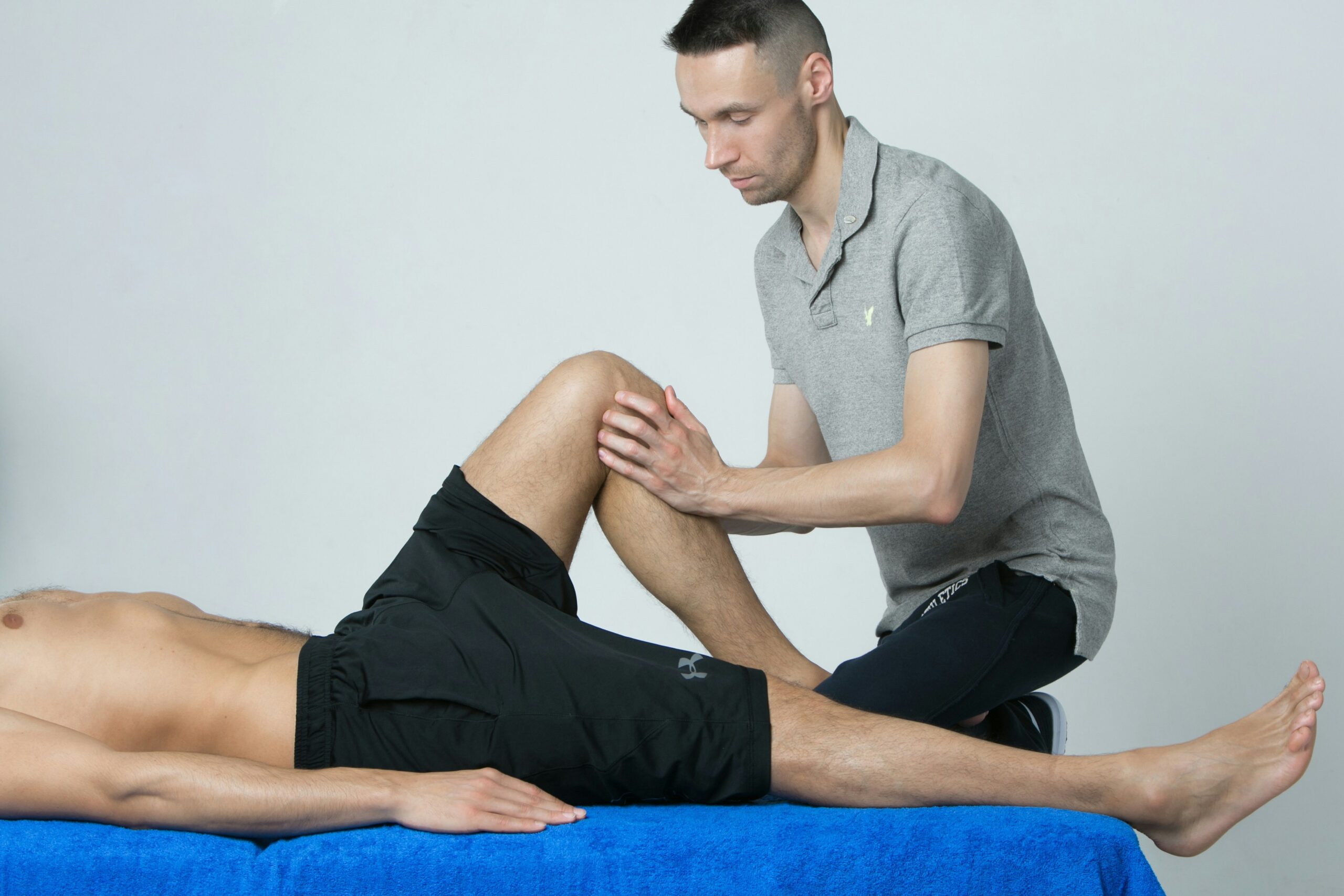
Tension Release Through Mobility Stretching
Chronic muscle tension, often due to stress or improper form, may eventually lead to muscle strain. This is because tense muscles stay in a contracted position, in turn reducing mobility and making injury more likely.
Through mobility stretching, the visitor receives manual manipulation of their limbs from a trained professional. Their efforts can ultimately help relieve tight, tense muscle tissue to improve mobility and flexibility while reducing pain in the process.
Reduced Inflammation with Cryotherapy
Everyone knows what a muscle strain feels like, but what does it actually look like under the surface? At the site of the strain, there are tears (micro or otherwise) in the muscle fibers, which, as a result, often lead to inflammation. While inflammation is the start of healing, it can also further trigger pain and stiffness, especially if it lingers too long.
To combat the inflammation side of things, a cold air type of therapy known as cryotherapy can help. The below-freezing temperatures from the brief exposure to a cryotherapy unit can bring down the inflammatory response while also temporarily numbing some of the pain.
Fewer Muscle Knots with Percussion Therapy
Muscle knots don’t always lead to muscle strains. However, they can set the body up for the development of such. When the muscle fibers are tight, shortened, and less flexible due to knots, the muscle fibers are at a heightened risk of strain development.
By working out muscle knots through a vibration therapy known as percussion therapy, the muscle tissue will become more relaxed, less tense, and more mobile, rather than tight and rigid. In turn, this can potentially lead to reduced strain or risk of such.
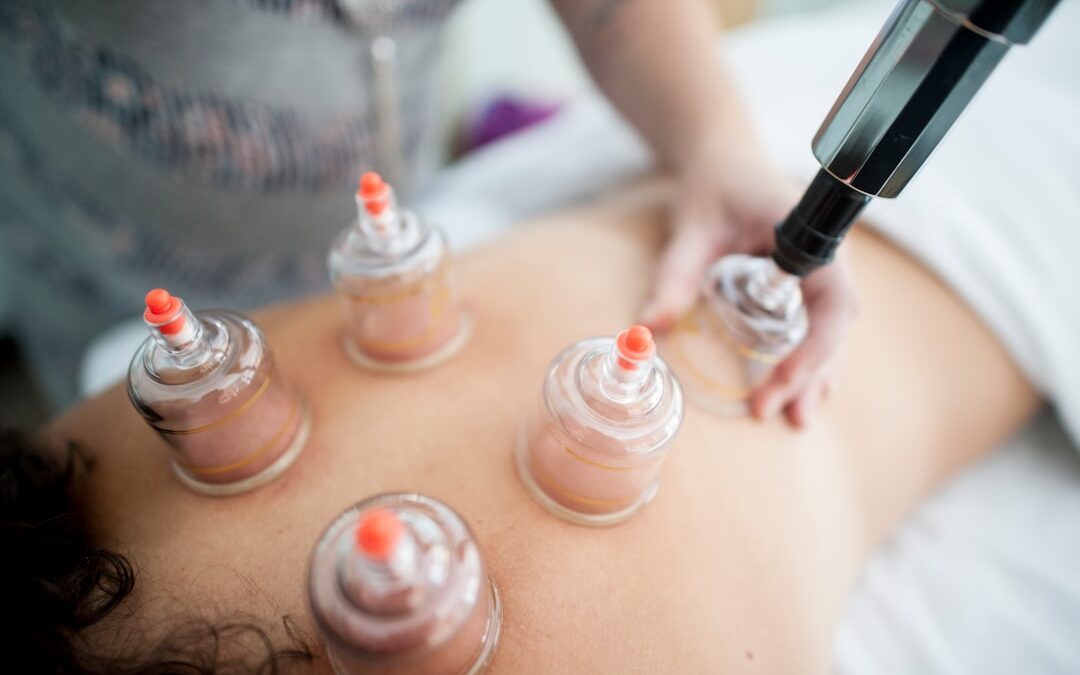
Less Muscle Soreness by Waste Flushing Via Cupping
With chronic muscle tension, it isn’t uncommon for reduced blood flow to the affected muscle fibers and, in turn, reduced removal of metabolic waste. Slow waste clearance can further trigger physical discomfort and stiffness, which can potentially set the muscles up for strain-related injuries.
While the body has a system known for processing the buildup of waste and excess fluids in the body (the lymphatic system), which works closely with other systems in the body to perform its job duties,it can sometimes act sluggishly and need some extra assistance.
This is where cupping therapy comes in. With pressurized cups, cupping therapy can help lift tense muscle layers to help improve blood flow and stimulate the lymphatic system to flush waste.
Faster Cellular Repair with Hyperbaric Oxygen Therapy
As mentioned, when you’re experiencing a muscle strain, your muscle fibers are suffering from microtears or larger tears (depending on the extent of your strain). Apart from being cautious with your affected muscle tissue until the strain has a chance to heal, speeding up repair on a cellular level can ramp up your recovery.
Faster recovery can be done with hyperbaric oxygen therapy, which delivers high concentrations of oxygen through your system. This high level of oxygen can help “seep” into the parts of your body where it’s needed the most, like at the site of injury, ultimately helping speed up tissue repair.
If you’re looking for a way to relieve muscle strain, tension, or post-workout soreness, our wellness facility has recovery services available for booking now. Contact Recovery Lab today to schedule a session.