
Muscle strain, inflammation, body pain, fatigue: do any of these sound familiar? They’re potential symptoms we encounter after a long or intense workout, a recent injury, or surgery. If you’re on the road to recovery and want something to alleviate symptoms quickly, here’s how you can create the right protocol.
Building a recovery routine isn’t as simple as making one simple lifestyle change. It’s a bit more complicated and requires a strategic, thoughtful approach.
Whether you’re recovering from an accident-induced injury, a muscle tear or soreness post-workout, or dealing with inflammation after surgery, there are ways to build the perfect recovery plan.
Read on for advice on building an ideal protocol based on your needs.
Figure Out the “Why” Behind Your Recovery
One of the first steps before building a recovery protocol is figuring out what it is you’re trying to recover from and how you can meet those needs. If multiple needs must be met, your protocol should be built around meeting each of those needs.
For example, if you’re dealing with pain and swelling from an injury, you’re going to want components of your recovery protocol to aid with inflammation, improved blood circulation, and enhanced lymphatic function.
On the other hand, muscle recovery may look more like choosing options to help loosen up tight muscles, reduce muscle soreness, and improve mobility.
And if you’re dealing with both muscle pain and inflammation, there are recovery options to benefit both at the same time.
Give Your Body What It Needs to Heal Naturally
Your body is equipped with what it needs to help you heal on its own. It uses every system in the body – from the endocrine system to the lymphatic system – to help you recover. However, your body relies on you to give it the resources it needs to make repair and healing happen.
Regardless of what’s included in your recovery protocol, it’s critical to provide your body with what it requires at the same time. This means sticking to a well-balanced diet, drinking plenty of fluids, getting proper rest, and engaging in enough physical activity.
Don’t Forget Your Mental Recovery, Too
What does your mental health have to do with your physical recovery? Everything. When you’re in a state of stress, it’s significantly harder for the body to heal itself naturally. Oxygen-rich blood circulation can be hindered, waste products like lactic acid can build up, muscles become tense, and your inflammatory response can be triggered.
Part of building a recovery protocol is incorporating mental wellness into it. Mental wellness can include deep breathing exercises, meditation, creating boundaries, and checking in with yourself daily.
Kickstart Your Recovery Journey with Recovery Lab
Sometimes, making lifestyle adjustments here and there isn’t enough. When your body needs extra support in recovering after an injury from an accident, a workout, or a medical procedure, there are wellness services you can turn to. Many of these services directly benefit your physical recovery while improving your mental health in the process.
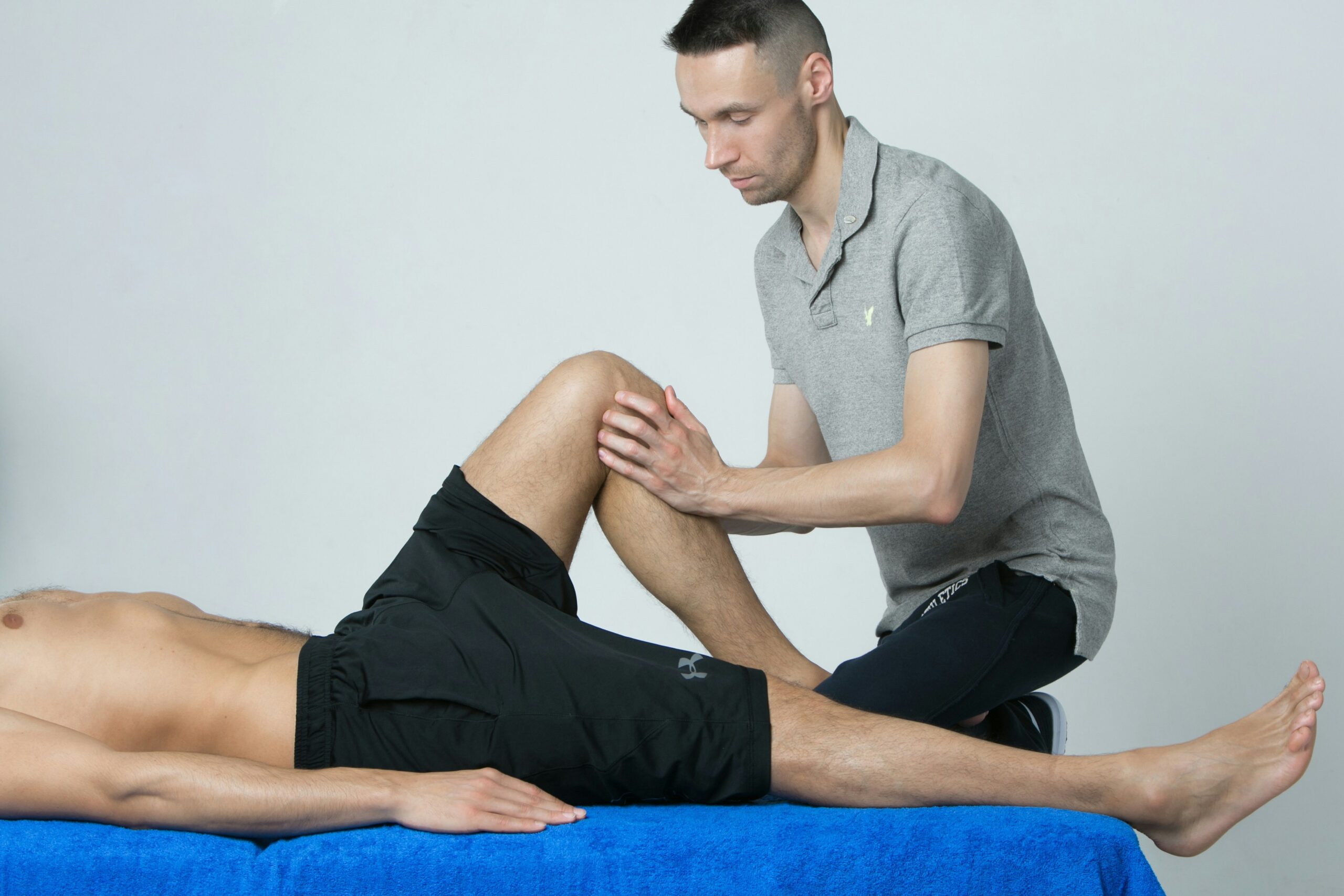
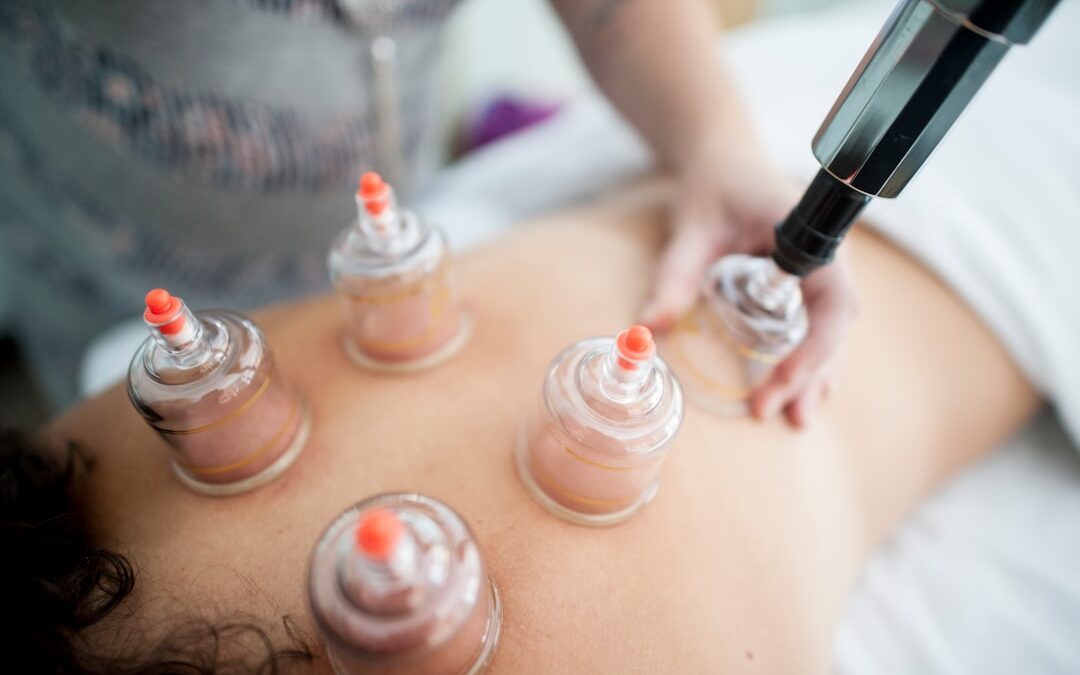
Wellness services you should consider adding to your wellness routine range from red light therapy and hyperbaric oxygen therapy to percussion therapy and cupping. Consider adding multiple therapies into your weekly routine, and plan the days you will be engaging in such.
Not sure which wellness services to add to your recovery protocol or how often you’ll need to engage in sessions? Call Recovery Lab today to discuss more.