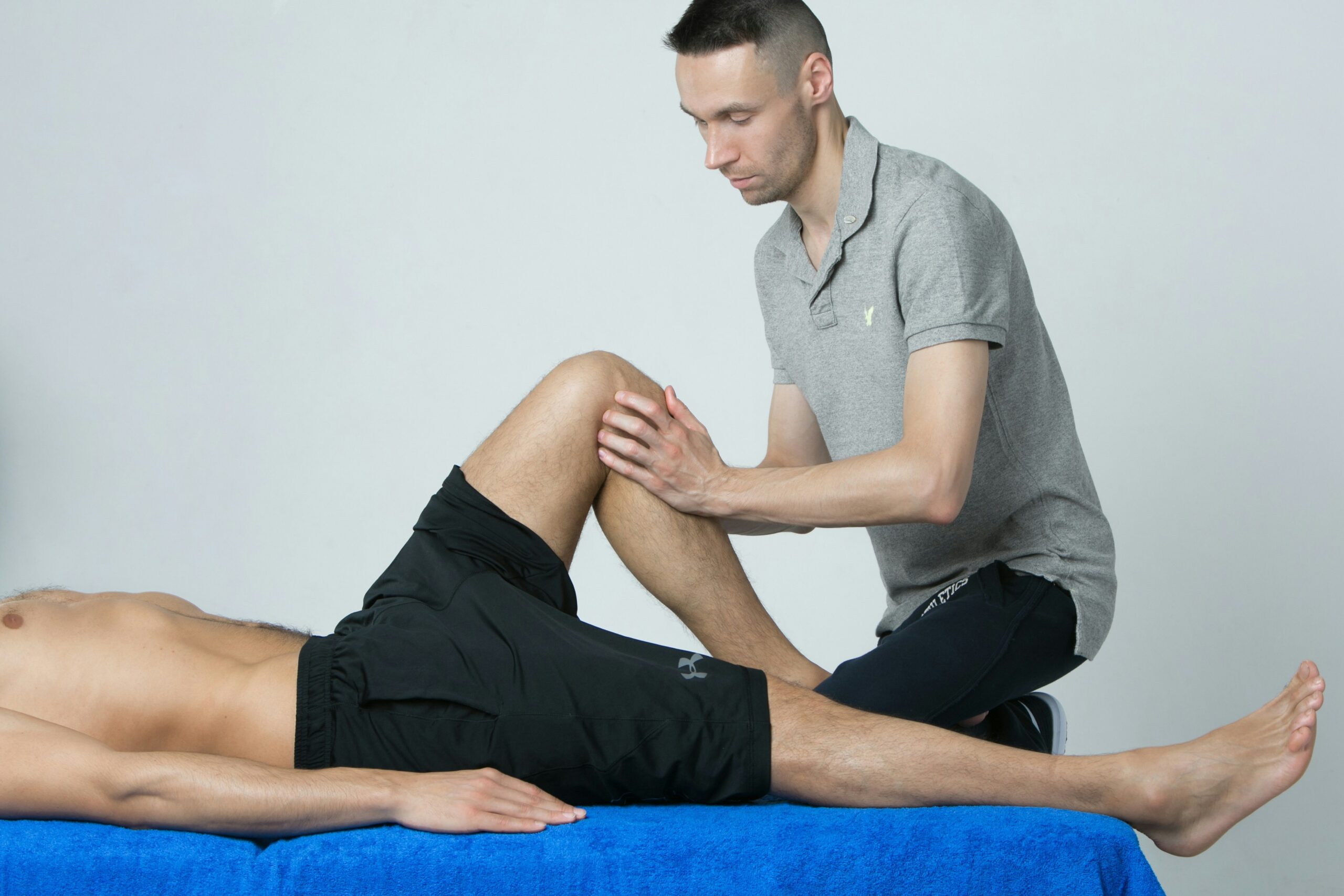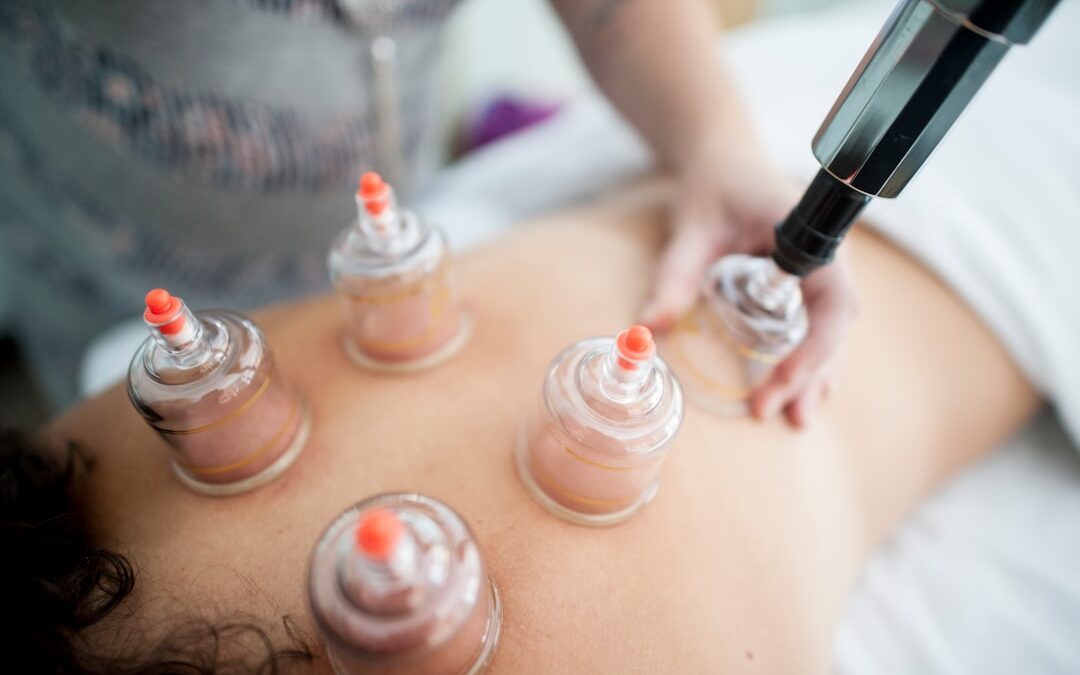

After working out, you may notice swelling in certain parts of your body, like your arms or legs. In most cases, this is considered “muscle pump,” where blood and fluids, including wastes like lactic acid, temporarily build up in the muscles.
Swelling after working out, however, can also be a sign of trauma or injury. Athletes may also experience this when overtraining or overloading their joints/tendons during a workout.
Either way, cryotherapy can help reduce pesky swelling after exercising. Here are some of the ways this recovery service can reduce swelling and inflammation:
Promotes Proper Blood Flow
During and even after workouts, your muscles typically experience an increase in blood flow. This is natural and even healthy. However, if the increase in blood flow lasts too long, this can cause swelling and delayed muscle recovery.
Cryotherapy helps counteract the latter. During your cold therapy session, the blood vessels constrict, temporarily reducing blood flow to your muscle tissue. This helps bring down excess fluid in your muscle tissue.
Returning to room temperature after your session leads to the quick dilation of your blood vessels. In turn, this helps flush stagnant fluids from your tissues and supply the area with fresh, oxygen-rich blood. Bye swelling and hello faster tissue recovery!
Flushes Out Toxin Build-Up
The build-up of toxins, like lactic acid, is not uncommon after working out. Even if you live a sedentary lifestyle, you may also experience a build-up of waste products in your muscle tissues. This alone can lead to a swollen appearance and physical discomfort.
With the initial constriction and then quick dilation of the blood vessels during and after cryotherapy, this wellness service helps support lymphatic drainage. Along with lactic acid, the improved blood flow can also help flush out dead or damaged cells, which can lead to less swelling, reduced pain, and faster recovery.
Slows Down Inflammatory Processes
As mentioned, exposure to the extreme cold via cryotherapy constricts the blood vessels. This temporary constriction leads to reduced blood flow to the muscle tissues.
With reduced blood flow to the muscles, this limits the body’s ability to deliver inflammatory cells to the associated areas. In turn, the direct culprit of the swelling is eliminated.
Cryotherapy can also limit the inflammatory processes of the body by physically slowing down cellular activity. What’s more, it can reduce pain signals, which as a result, signals to the body to produce fewer inflammatory cells.
Stimulates the Release of Feel-Good Chemicals
Cold exposure can encourage the release of natural chemicals in the body called endorphins. While these chemicals are known to give us a quick boost in mood and provide stress relief, they can also help indirectly reduce post-workout swelling.
Endorphins secondhandedly reduce swelling in multiple ways. Their release can reduce inflammation-exacerbating stress hormones in the body. They can also temporarily reduce the perception of pain, which triggers the body to release fewer inflammatory cells.
Do you want to reduce swelling after your workouts? Contact Recovery Lab today to book your first cryotherapy appointment.