
Physical resilience plays a key role in how your body responds both during and after intense physical activity. Low resilience can make it difficult to maintain solid endurance, strong energy levels, and proper physiological balance and flexibility. Low resilience can also lead to poor wound healing, persistent soreness, and a higher chance of injury.
The good news is, resilience can be earned through effort. Read on to learn how physical resilience and mental resilience differ, the benefits of physical resilience, plus how long it takes to build, and ultimately, how our wellness facility may be able to help.
Is Physical Resilience the Same as Mental Resilience?
While physical and mental resilience go hand in hand and can benefit one another, they are not the same.
Mental resilience has more to do with how someone adapts and handles mental stress and emotionally stirring situations. On the other hand, physical resilience has to do with how you handle physical stress on your body and are able to recover from post-workout aches and injuries.
While mental toughness can help motivate you to do hard things, physical resilience supports your underlying functions and capabilities to help you actually carry out the task you need done, especially if it involves labor-intensive work.
Benefits of Physical Resilience
Having strong physical resilience can go a long way. Building up resistance on a physical level has the potential to help enhance your performance mid-workout, assist you in recovering quicker after working out, reduce your future risk of injury, and improve your tolerance for physical exertion.
Physical resilience may also have benefits on general longevity, like helping you bounce back faster from illness and reducing your odds of developing chronic pain.
How Long Does It Take to Build Physical Resilience?
Resilience isn’t something you gain overnight; it’s built through regular work and effort. Because each person has a unique physical resilience baseline, there is no single timeframe for when one can build a noticeable level of physical resilience.
The buildup of physical resilience often comes with regular exercise and active recovery routine, adequate nutrition and hydration, and solid stress management. With consistent effort, users may notice improvements in physical resilience within a few weeks to several months.
Recovery Lab Services to Improve Resilience
In addition to the latter tips, wellness services here at Recovery Lab also have the potential to boost your physical resilience.
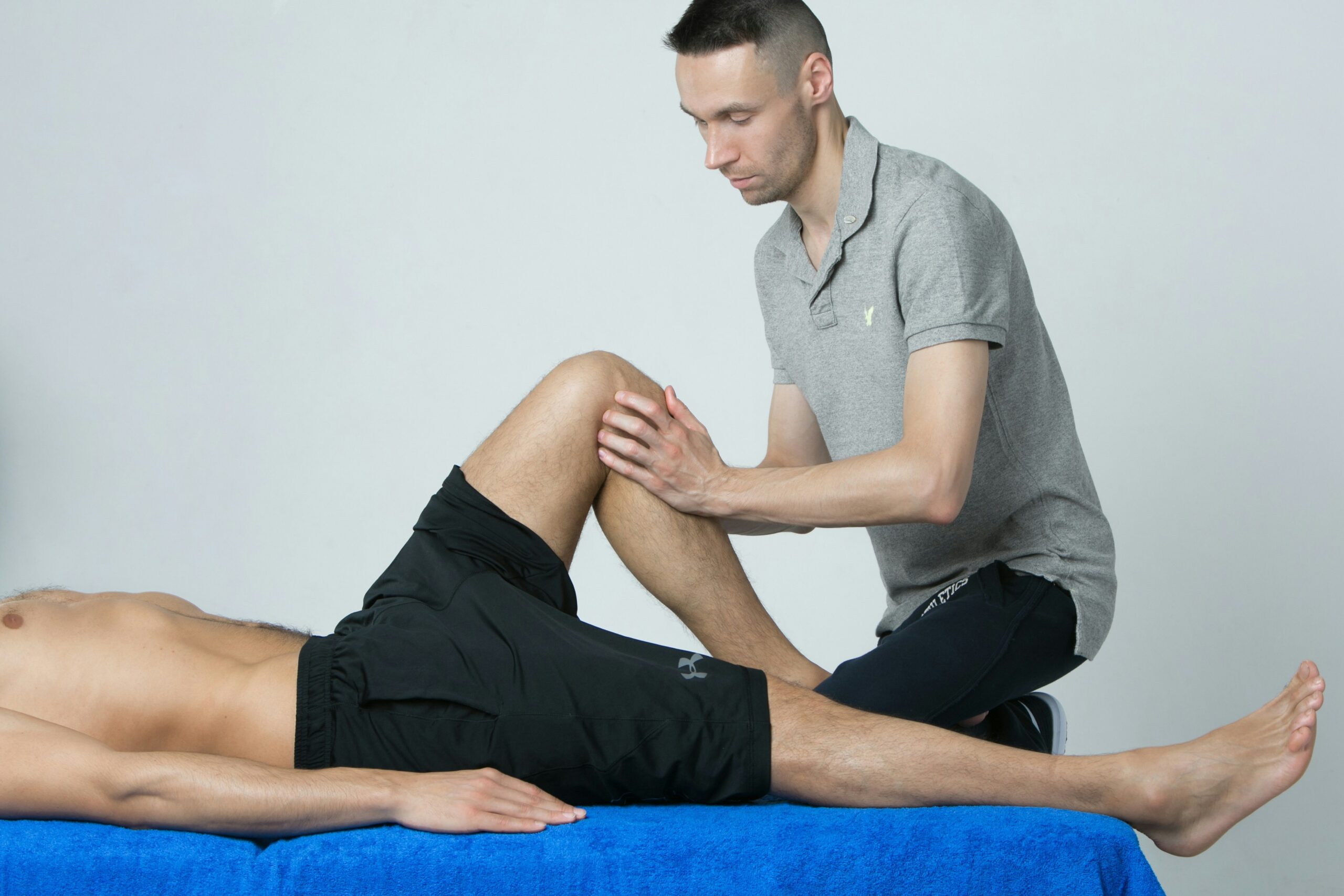
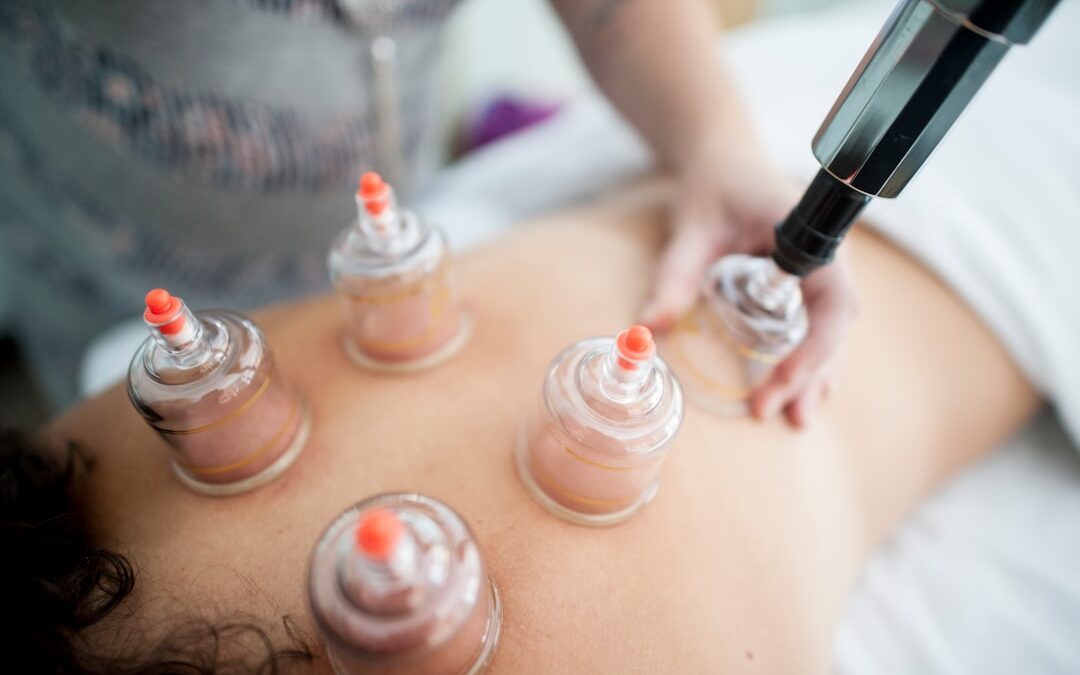
With services like hyperbaric oxygen therapy capable of boosting blood circulation and encouraging faster tissue repair, cupping and percussion therapy to aid with muscle tissue support and reduced inflammation, our services can help prime your body to better adapt post-workout.
By helping your body relax and giving your body what it needs to engage in its natural processes, we can enhance your fitness routine, help decrease downtimes between your workouts, and encourage quicker injury recovery.
Ready to begin building up your physical resilience? Our wellness facility would love to support your journey. Call Recovery Lab today to find out more about our services.